Hub I · The Shock Suite

Cold, heat, and the dignity of small stress.

Hormesis is the body's reply to a bearable insult. A plunge, a sauna, a held breath — small storms, deliberately invited. Long-term resilience is the inheritance.

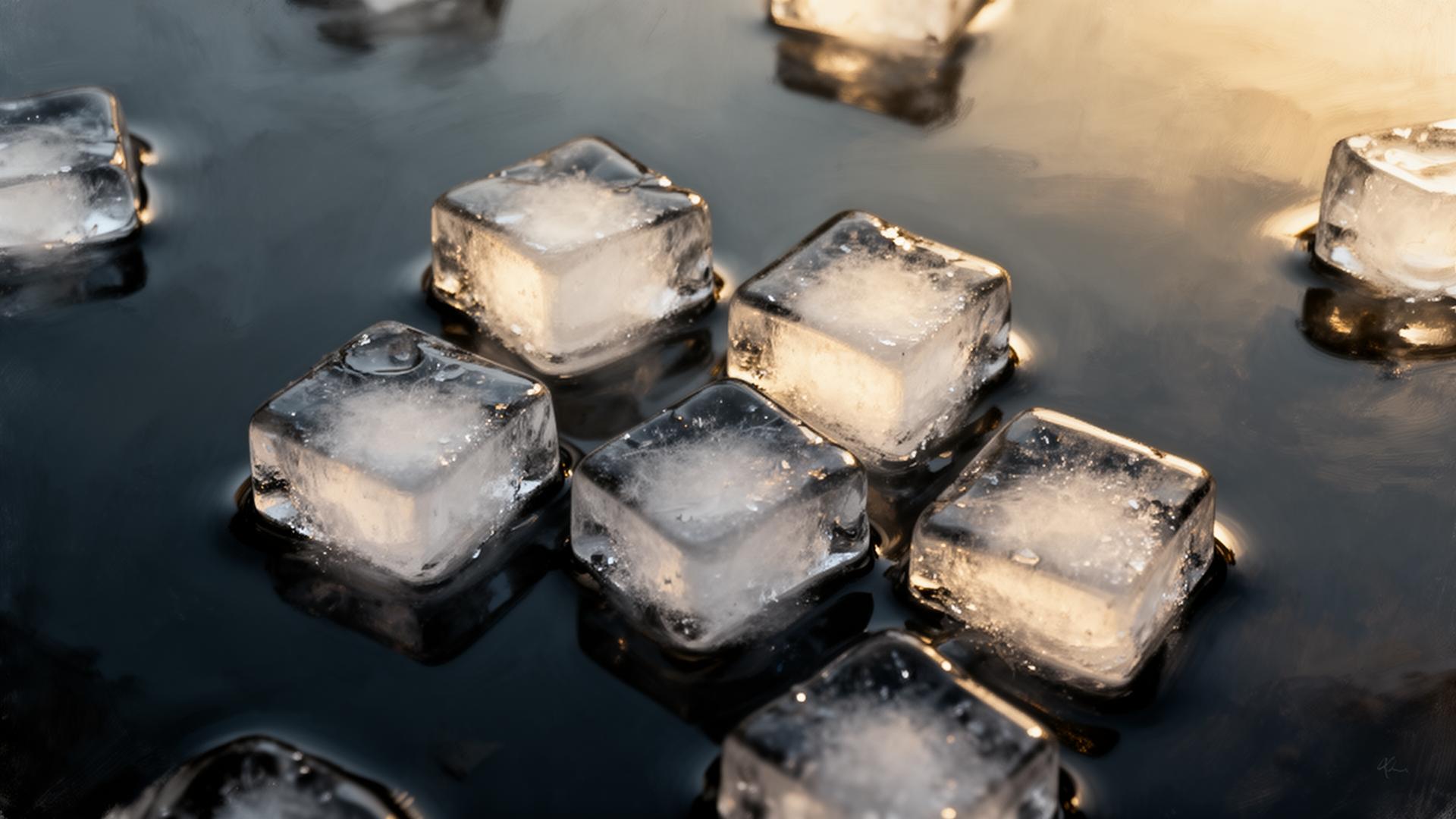
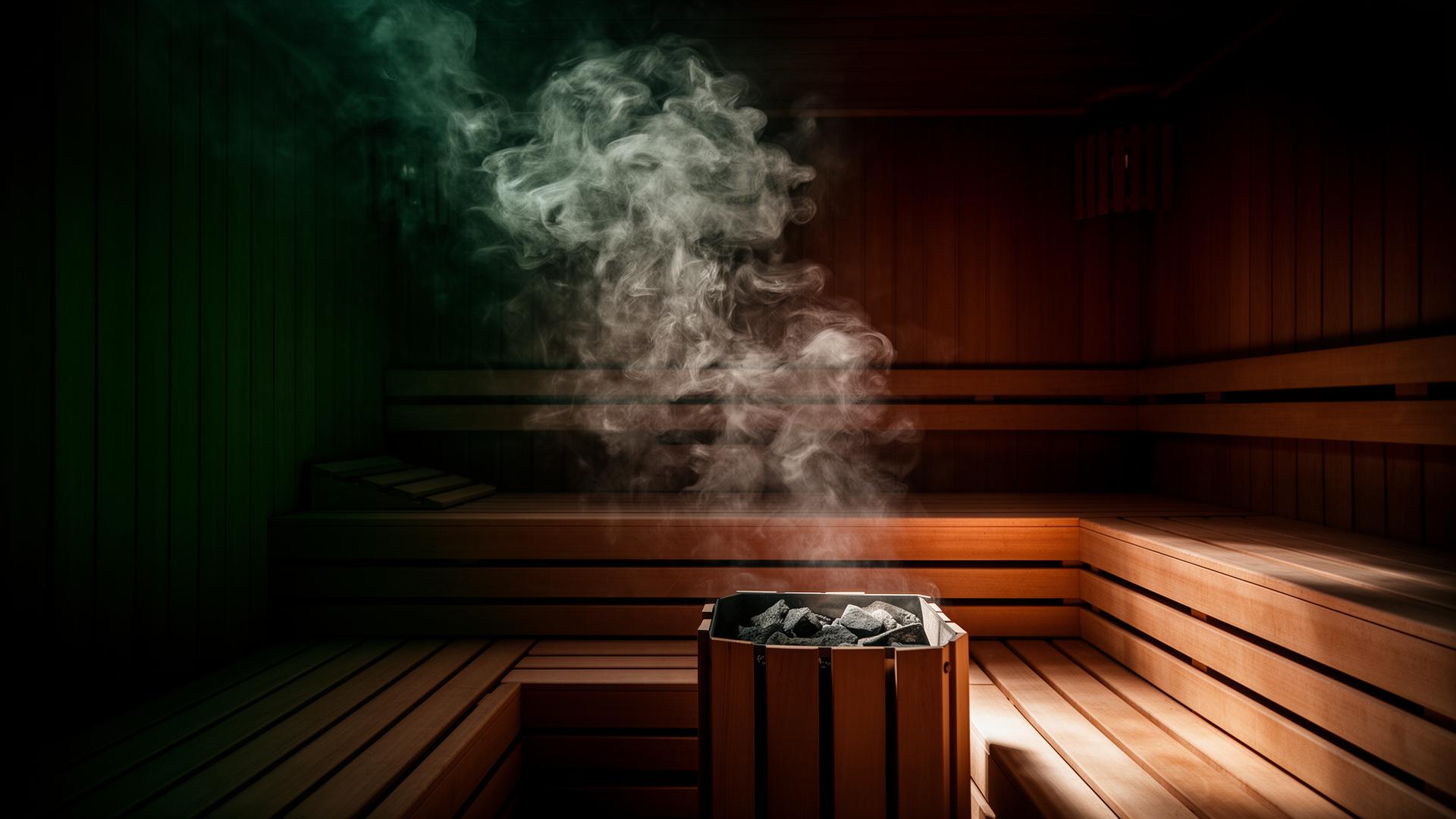
Ice cubes on dark waterSteam in a wooden sauna
The Beginner's Contrast Protocol

Three rounds. Forty-five minutes. One nervous system, retuned.

  1. 0115 minutes in a sauna at 180°F (82°C). Sit. Breathe through the nose. Do not scroll. Let the heart rate rise to roughly 120 bpm — a brisk walk while sitting still.
  2. 023 minutes in 50°F (10°C) water. Submerge to the collarbone. Long, slow exhales. The first thirty seconds will lie to you. Stay until the body forgets to argue.
  3. 03Repeat. Three full rounds. Always finish on cold. Towel dry. Sit for ten minutes before doing anything else — the body is recalibrating.
Warning · Afterdrop
For 20–40 minutes after exiting the cold, the body's core temperature continues to fall as chilled blood returns from the limbs. You will feel fine, then suddenly very cold and shaky. Plan for it: dry clothes, wool layers, a warm (not hot) drink, gentle movement. Do not jump straight back into the sauna — that masks the drop and stresses the heart. Never drive immediately after, and never plunge alone if you are new to it.
Field Notes

Cold-plunging in a standard bathtub.

  • Fill cold first. Tap water in most regions runs 50–60°F in winter. That alone is a real plunge. Skip the boiler.
  • Add 10–15 lb of ice. A standard bag from a petrol station is 10 lb. One or two bags dropped into a half-full tub will pull you below 55°F (12°C) within ten minutes.
  • Add 1 cup of Epsom or sea salt. Salinity raises the freezing point and lets the water carry colder ice longer without forming a slush layer. It also makes you slightly more buoyant, which steadies the breath.
  • Use a thermometer. A £6 aquarium thermometer ends the guessing. Aim for 50–55°F (10–13°C) for your first month. Do not chase colder until three minutes feels boring.
  • Cap it at 3 minutes. More is not better. Beyond five minutes at this temperature, afterdrop risk climbs sharply with no added benefit.
01

On hormesis

A plant grown in still air collapses; the same plant, brushed by wind, builds wood. The rule is older than gymnasiums. Brief, survivable stress — heat, cold, fasting, breathlessness — triggers repair pathways that simple comfort never does.

The dose is the discipline. Too little, no signal. Too much, injury. The art of thermal practice is finding the smallest dose that still teaches the body something.

02

The cold plunge — without the bravado

Begin at 12–15°C, three minutes, three mornings a week. Breathe long and slow on the exhale. The first thirty seconds will lie to you. Stay until the body forgets to argue.

Skip ice baths in the late evening — adrenaline lingers in the bloodstream for hours. The point is not endurance theatre. The point is a controlled rehearsal of being uncomfortable.

03

Sauna as cardiovascular practice

Twenty minutes at 80–90°C, four times a week, lowers all-cause mortality on a scale that rivals moderate exercise (Finnish cohort data, 2015). The mechanism is heat-shock proteins and a heart rate that mimics a brisk walk while the body sits still.

Hydrate before, salt after, and resist the temptation to talk. A sauna is a room for listening to the body's thermostat negotiate with the room's.